
Taxis in Male’- The customer comes last
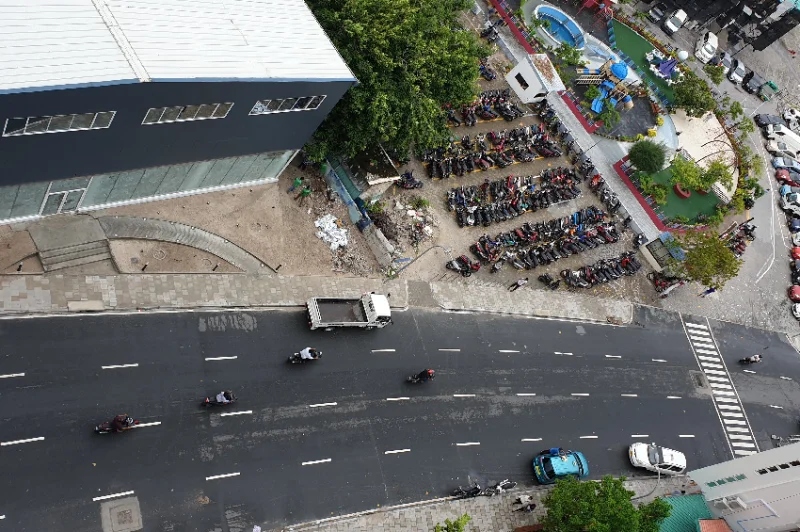
There are several things about Male’ that makes one long for the good old days. Taking a taxi in the city though elevates the nostalgia to new heights. Long gone are the days when it was any use calling the taxi company to book a cab especially during peak hours. This is perhaps understandable given the explosion in the city’s population during the last few decades and that there are less than a thousand registered taxis.
However, popular frustrations do not end with the inability to book a cab via a phone call. With enough patience, it is possible to hail one on the street. Unfortunately, most of the time, the customer experience continues its downhill spiral from there. While the transport authority no longer officially allows taxi drivers to take in new passengers mid trip, it has been met with complete disregard with many drivers stopping to let in new passengers while the passenger that initially booked or hailed the cab is still in the car, sometimes with or even without consent.
Solutions have been attempted in the form of a short-lived app ‘KobaaTaxi’ which failed to address concerns from drivers with regards to the accountability of customers that book and then leave the location before the taxi arrives. This can be easily tackled by charging a cancellation penalty fee via the card fed into the app like they do in Uber, Lyft and Grab. Customers complained that the app was ineffective because the wait time was too long. This cant really be helped because there is a severe shortage in supply with only about 500 or less taxis operational at once at any given time. Also given how lucrative it is for a taxi driver to keep piling on passengers in one go, it is unlikely that they will embrace an app that limits them to one passenger per trip with the ability to rate the experience.
There are several factors that contribute to this sorry plight of the Male’ based commuter. But at its core, it is a failure to regulate and enforce and a failure to create a public transport system that works for everyone. There are no easy solutions, given the density of the city’s population and the everyday necessity of motorcycles that clog up the streets making it even harder for taxis, buses (when they attempted to operate) and alternatives like the bicycle to be viable forms of transport and complement each other to a manageable degree.
Nevertheless, we firmly believe that policy and entrepreneurship can solve these challenges. It will require disciplined enforcement that will give much needed potency to regulations and the problem solving approach of entrepreneurship.
Advertisement
In-Article

Dhiconomist
Contributing writer at Dhiconomist covering economic policy, business, and financial markets in the Maldives.
Related Articles

How ready are we for the next emergency?
It took just minutes for almost 80% of our GDP to disappear, 83 lives to be lost and to leave thousands homeless. The 2004 tsunami brought about one of the single biggest humanitarian crises in Maldivian history. Looking...

Leaving the grey economy
Informal arrangements have long been the norm for most things in the Maldives. From our date of independence, set to coincide with President Nasir’s visit to his dentist in Colombo to the hustle of everyday business in t...
Maldives, black swans and the unknown
It hit us one morning and within hours left 83 dead, scores homeless and a crippled economy in its wake. Though we’ve made a full recovery since the Indian Ocean tsunami of 2004, there is one lesson we have perhaps yet t...