How ready are we for the next emergency?
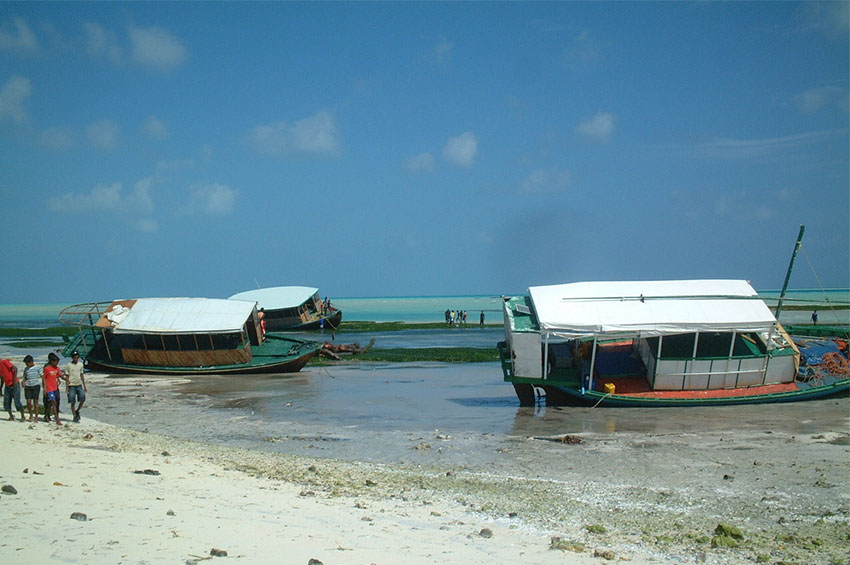
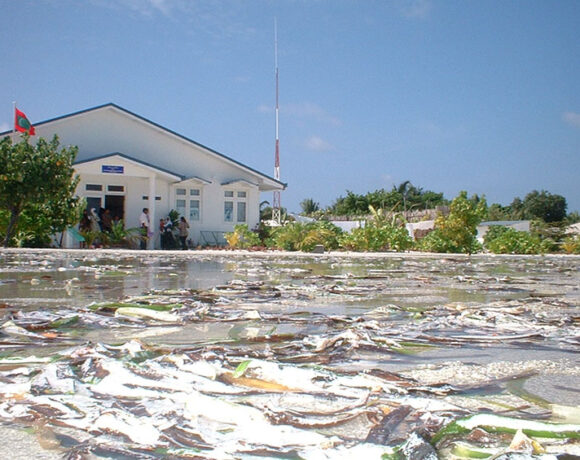
It took just minutes for almost 80% of our GDP to disappear, 83 lives to be lost and to leave thousands homeless. The 2004 tsunami brought about one of the single biggest humanitarian crises in Maldivian history. Looking back, there is a lot to be grateful for. We have since bounced back economically, with tourist arrivals surging well past the averages of the early 2000s. And we have also been able to slowly, rebuild, relocate and house the displaced though we will never get back the lives lost on that fateful day.
Given the scale of the horrors we witnessed, and the pain endured by those that were directly affected, we must ask whether we would do any differently if a tsunami, any other natural disaster or epidemic were to hit us.
Early warning systems have since been put in place. But for a geographically displaced population that is logistically challenged, we can’t be sure that we will be able to reach those in danger in time. Seeking higher ground in such cases is the solution advocated by experts, to avoid being submerged. But Maldivians in rural areas have little else than coconut palms and a few high rises to climb up to. And this is only in the event of a tsunami. Hurricanes, tornadoes and other natural disasters would completely devastate local populations and we just can’t help wondering if there are effective and efficient emergency evacuation and disaster management plans in place for such outcomes.
Epidemics and disease is another area of major concern. Our hospitals can barely manage seasonal dengue fever outbreaks with under a hundred ICU beds catering to a population of over 400,000. Since we depend so heavily on tourism our borders are open for the world and over a million people enter them each year. How ready are we for an unforeseen epidemic like Ebola, SARS or H1N1?
These are vital questions that we must demand answers to from our policy makers. This goes beyond party politics and threatens everyone. In the quest for better governance and reducing our vulnerabilities nothing but relentlessness will do. We aspire to be a success story like Singapore. But do we have what it takes?